Featured
Our Does How to Use Credit Cards Wisely to Avoid Debt : A...
The Definitive Guide to "How Debt Impacts Mental and Emot...
The 30-Second Trick For Ways to Take Action with the Fina...
Some Known Facts About Documents to Prepare for Specialty...

Creating a Personalized Debt Relief Roadmap Can Be Fun For Everyone
Table of Contents
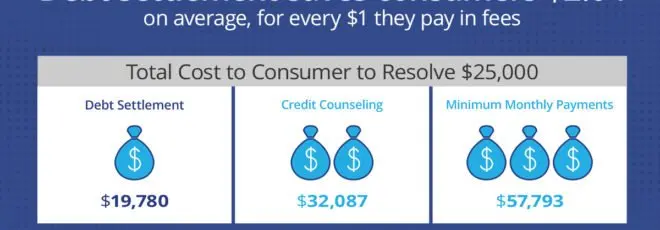
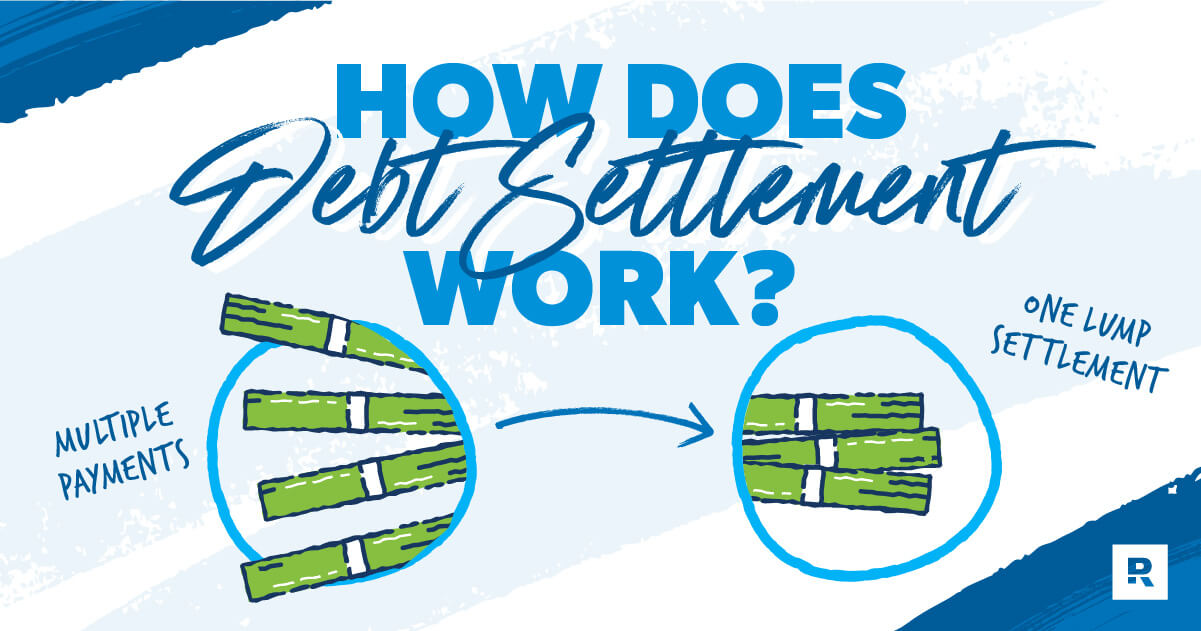
That liberates money in the brief term, and you might have three to 4 years to conserve towards the negotiation quantity. Really damaging to credit history, mostly because of missed repayments and a negative "cleared up" mark that might remain on your credit rating report for as much as 7 yearsMay be just option if other options (financial obligation combination, equilibrium transfer bank card, financial debt forgiveness) aren't possibleTypically requires a charge to the 3rd party, which might counter some or every one of the financial savings from financial debt settlementMay help you stay clear of personal bankruptcy if you have actually missed numerous paymentsNot all lenders collaborate with debt settlement companies Debt forgiveness may be right for you if you are experiencing an economic hardship that makes it virtually difficult to pay for your financial obligation equilibriums.
With a DMP, you make one month-to-month payment to the credit score counseling firm. Those funds are then distributed to financial institutions of your unsafe financial obligations, such as charge card and installment fundings. The firm functions with your creditors to lower rates of interest or forgo fees, yet some lenders might reject such concessions.
A debt combination loan combines your qualified debts into one brand-new lending. It can assist you pay down financial obligation if you're able to safeguard a finance price that's less than the typical rate of the accounts you're combining. Nonetheless, you should avoid from acquiring financial debt on those recently removed accounts or your financial obligation might expand also greater.

These cards commonly provide a 0% interest initial duration of approximately 21 months. That gives you a lot of time to get rid of or dramatically minimize your equilibrium while making interest-free settlements. For some people dealing with impossible financial obligation, personal bankruptcy may be the only way to quit collection process and legally resolve their financial obligations.
The smart Trick of How Professional Guidance Can Help That Nobody is Discussing
You may require it if your financial institution or a debt collector ever attempts to accumulate on the financial debt in the future. The letter can prove you do not owe what the debt collector's records reveal. Yes, most of the times, the internal revenue service thinks about forgiven financial debt as gross income. When a loan provider forgives $600 or even more, they are needed to send you Form 1099-C.
Financial obligation forgiveness or settlement often hurts your credit. Anytime you resolve a financial debt for much less than you owe, it might show up as "settled" on your debt report and affect your credit rating for seven years from the day of settlement. Your credit history can likewise drop substantially in the months bring about the forgiveness if you fall back on repayments.
The Basic Principles Of Bankruptcy Basics and Qualifications
This circumstance commonly results from underreporting income, not submitting returns on time, or disparities located during an Internal revenue service audit. The repercussions of building up tax obligation financial debt are severe and can consist of tax liens, which offer the Internal revenue service a lawful case to your residential property as safety and security for the financial obligation.
Earnings and Bank Accounts Internal revenue service can levy (confiscate) wages and bank accounts to please the debt. Building Seizure In extreme situations, the Internal revenue service can confiscate and offer building to cover the financial debt.
Anxiety, anxiety, and various other mental health issues. Social Preconception Encountering lawsuit from the internal revenue service can lug social stigma. Damage to track record and relationships. Work Opportunities A bad credit history because of tire financial obligation can limit employment possibility. Trouble searching for or maintaining a task. Government Benefits Tax debt may influence eligibility for federal government advantages, such as Social Safety and Medicaid.
What Does Your Protection Mean?
The OIC thinks about numerous elements, consisting of the taxpayer's earnings, expenses, asset equity, and capability to pay. Efficiently bargaining an OIC can be complex, calling for a thorough understanding of the internal revenue service's standards and a solid disagreement for why your offer straightens with your capability to pay. It's crucial to note that not all applications are accepted, and the process requires thorough economic disclosure.
The internal revenue service evaluates your general financial circumstance, including your earnings, expenses, possession equity, and ability to pay. You should also be current with all declaring and payment needs and not be in an open bankruptcy proceeding. The IRS likewise considers your compliance background, reviewing whether you have a record of timely declaring and paying taxes in previous years.
Our Additional Fees to Watch For Statements
The application process for an Offer in Concession includes a number of in-depth steps. You should finish and send Internal revenue service Kind 656, the Deal in Concession application, and Type 433-A (OIC), a collection details statement for people. These types need extensive economic details, consisting of details concerning your revenue, debts, costs, and properties.
Back taxes, which are unpaid taxes from previous years, can dramatically boost your overall internal revenue service debt otherwise addressed quickly. This financial obligation can accrue passion and late repayment penalties, making the initial amount owed a lot bigger with time. Failure to pay back taxes can lead to the IRS taking enforcement activities, such as providing a tax obligation lien or levy versus your residential or commercial property.
It is necessary to resolve back tax obligations immediately, either by paying the sum total owed or by preparing a repayment strategy with the internal revenue service. By taking aggressive steps, you can avoid the buildup of extra rate of interest and penalties, and prevent extra aggressive collection activities by the IRS.
One common reason is the belief that the taxpayer can pay the complete amount either as a round figure or through a repayment strategy. The internal revenue service additionally takes into consideration the taxpayer's revenue, costs, property equity, and future earning capacity. If these aspects show that the taxpayer can manage to pay more than the used amount, the IRS is most likely to turn down the deal.
The Regulatory Considerations Related to Bankruptcy Proceedings PDFs
It is crucial to provide accurate and total information in your application and to seek advice from a tax professional to enhance the opportunities of acceptance. Dealing with internal revenue service debt can be intricate and difficult. Tax experts, such as CPAs, tax obligation attorneys, or signed up agents, can supply very useful aid. They have the competence to browse the complexities of tax obligation law and internal revenue service procedures.

Table of Contents
Latest Posts

Our Does How to Use Credit Cards Wisely to Avoid Debt : APFSC Make Sense for Your Case Diaries
The Definitive Guide to "How Debt Impacts Mental and Emotional Well-Being Ruins Your Life" Debunked
The 30-Second Trick For Ways to Take Action with the Financial Recovery Journey
More
Latest Posts
Our Does How to Use Credit Cards Wisely to Avoid Debt : APFSC Make Sense for Your Case Diaries
The Definitive Guide to "How Debt Impacts Mental and Emotional Well-Being Ruins Your Life" Debunked
The 30-Second Trick For Ways to Take Action with the Financial Recovery Journey